

Current Transformer (CT) vs Potential Transformer (PT): What’s the Difference?
In power systems, accurate measurement is everything. That’s where instrument transformers come in — specifically Current Transformers (CTs) and Potential Transformers (PTs).
While they serve similar purposes, they measure very different things.
🔹 Current Transformer (CT)
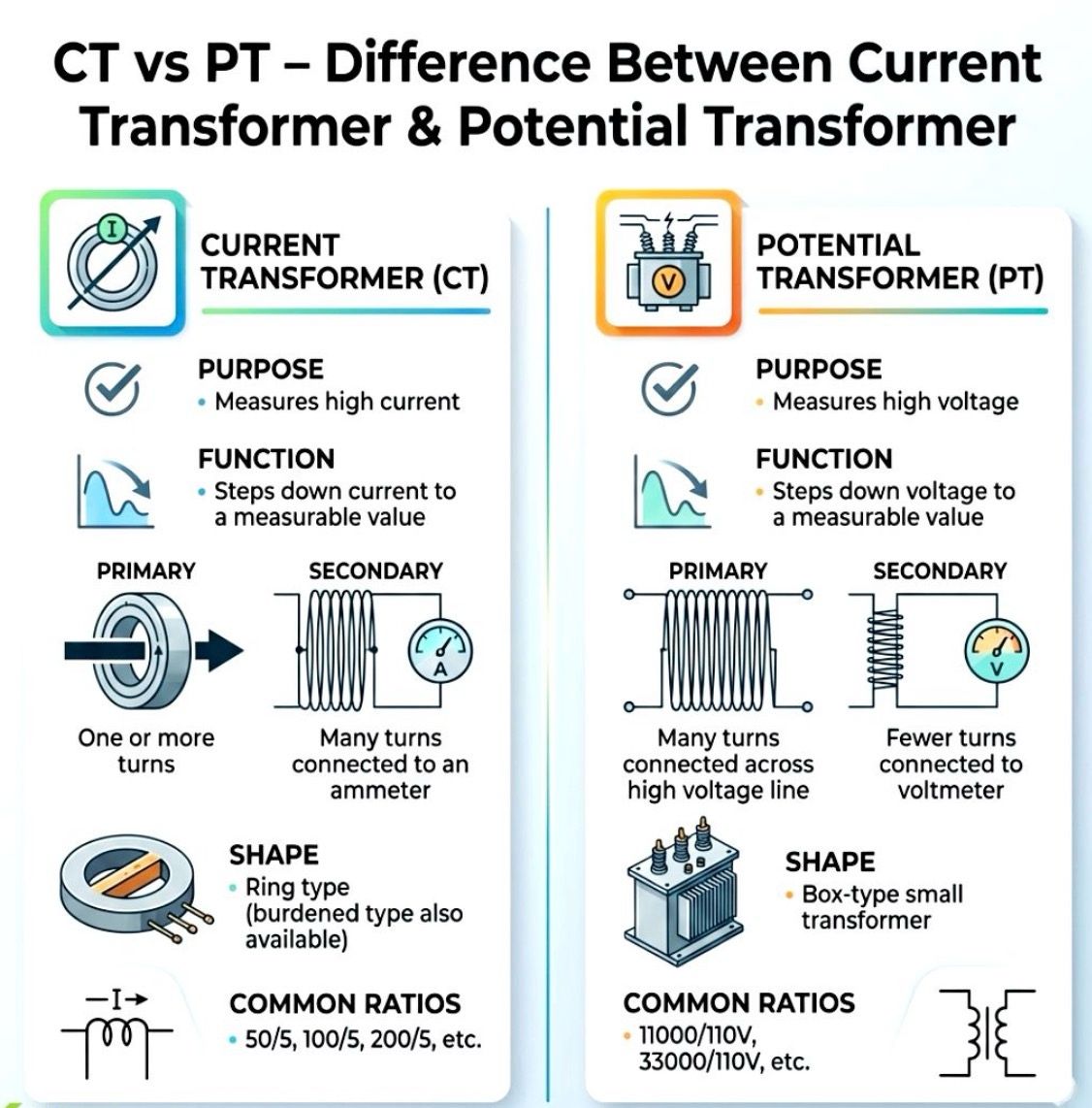
A CT is used to measure current.
• Connected in series with the line
• Steps down high current to a lower, measurable value (typically 1A or 5A)
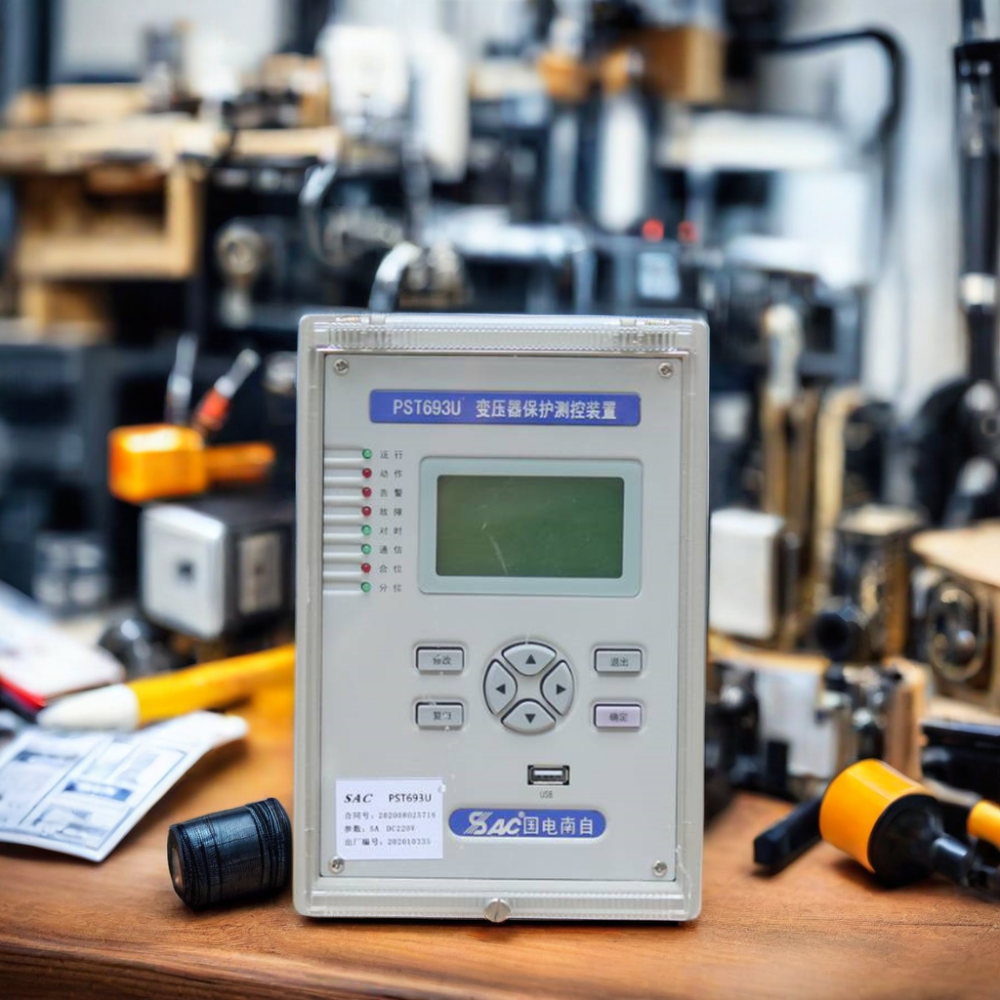
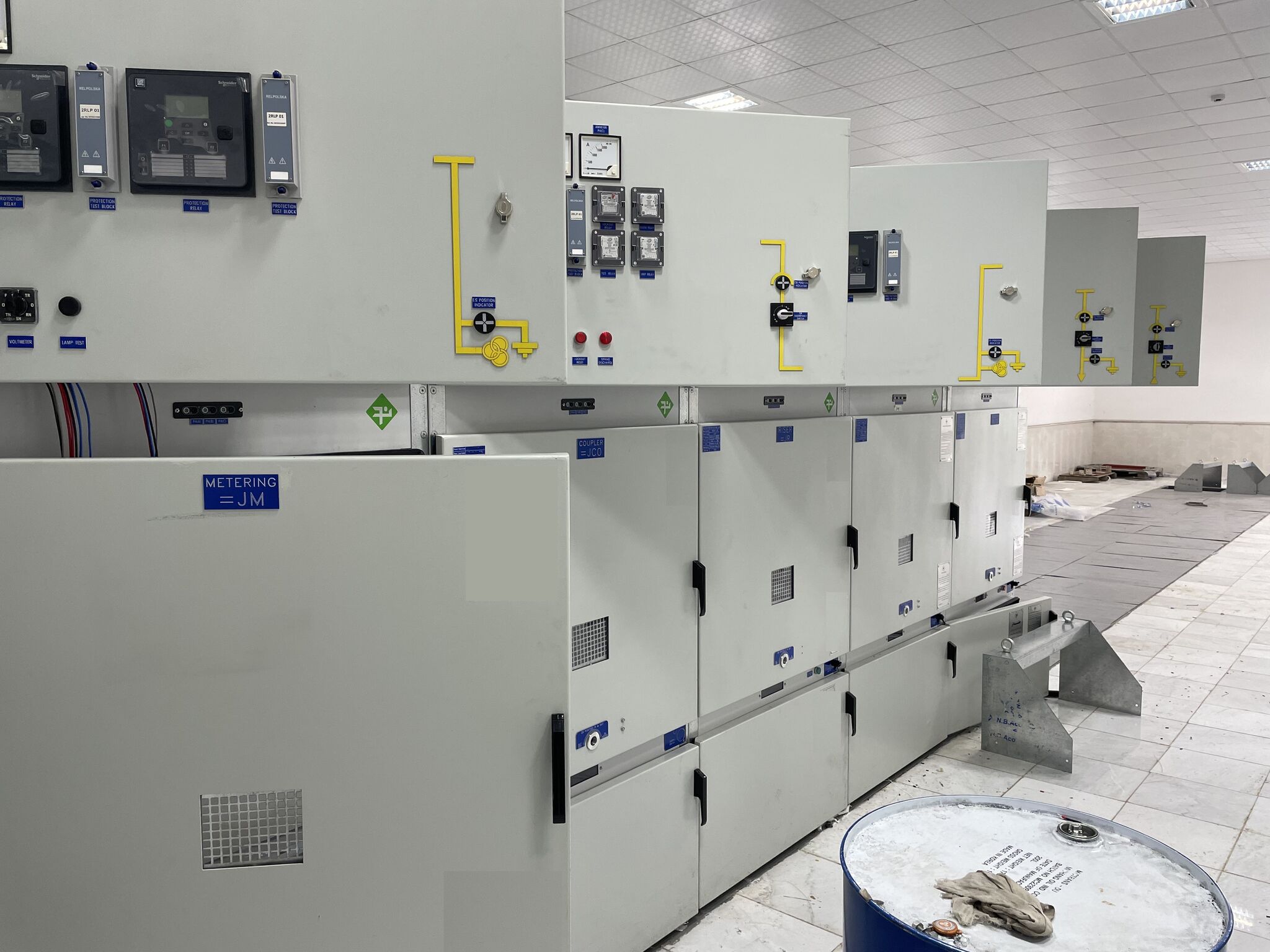
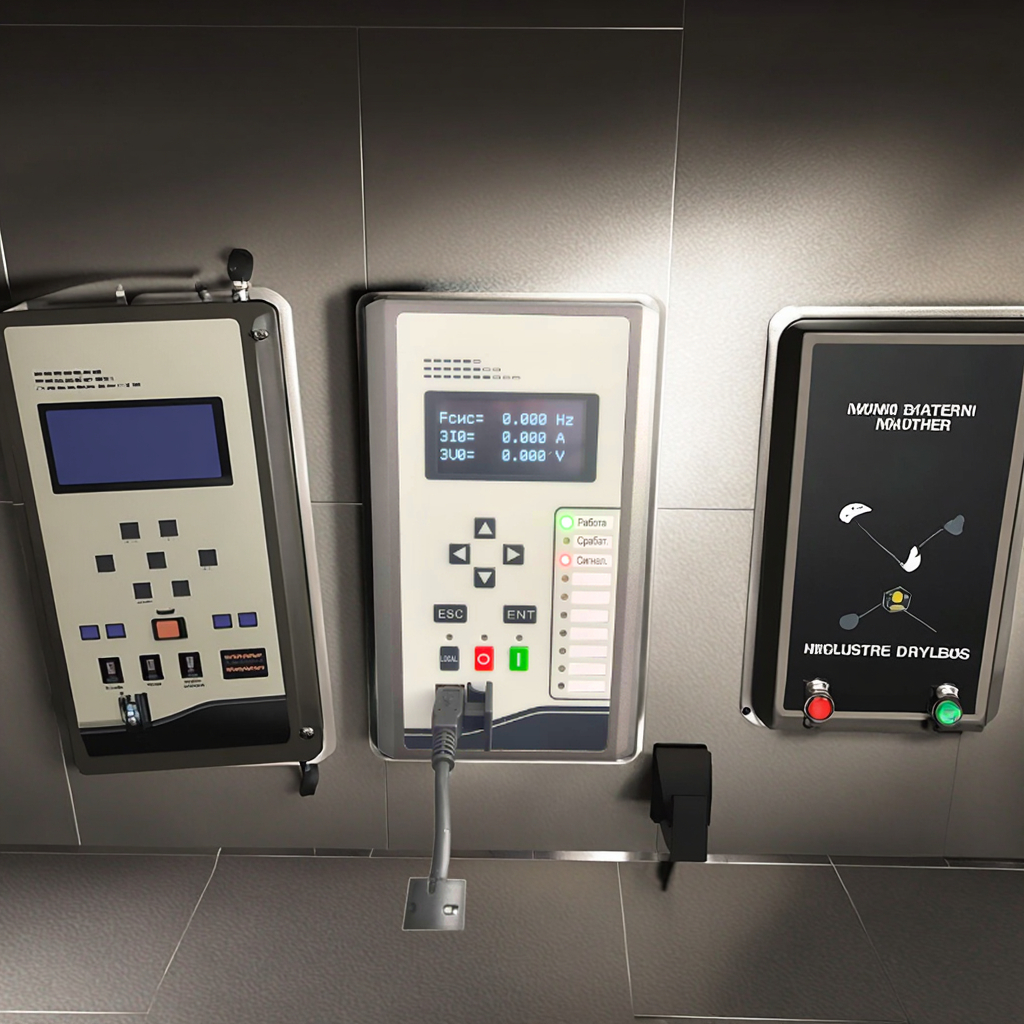
• Used for metering and protection relays
• The secondary should never be open-circuited while energized
👉 Example: Converting 400A line current to 5A for a protective relay.
⸻
🔹 Potential Transformer (PT)** (also called Voltage Transformer – VT)
A PT is used to measure voltage.
• Connected in parallel with the line
• Steps down high voltage to a standard low value (e.g., 110V)
• Used for voltage metering, protection, and synchronization
• The secondary should never be short-circuited
👉 Example: Converting 11kV system voltage to 110V for a meter.
⚙️ Key Differences at a Glance
• CT → Measures Current → Series Connection
• PT → Measures Voltage → Parallel Connection
• CT secondary: Don’t open
• PT secondary: Don’t short
Both are essential for safe monitoring and protection in electrical power systems. Without them, direct measurement at high voltage and current levels would be dangerous and impractical.
Understanding the fundamentals makes all the difference in design, protection, and troubleshooting.